
Adjuvant Chemotherapy for Gynecologic Cancer in Dehradun
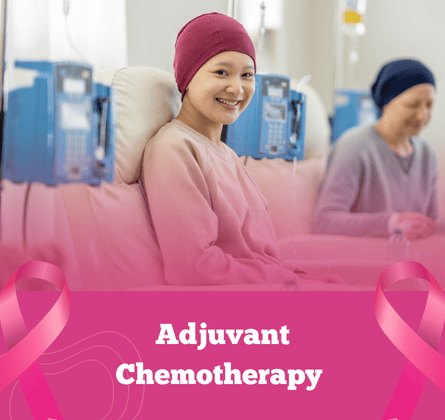
Adjuvant Chemotherapy for Gynecologic Cancer in Dehradun
Adjuvant chemotherapy is a cancer treatment given after primary surgery to destroy any remaining cancer cells that may not be visible during surgery. The goal of adjuvant chemotherapy is to reduce the risk of cancer recurrence and improve long-term treatment outcomes.
In gynecologic oncology, adjuvant chemotherapy is commonly recommended for patients with ovarian cancer, endometrial cancer, cervical cancer, and other pelvic cancers depending on the stage and characteristics of the tumor.
Why is Adjuvant Chemotherapy Important?
Even after successful cancer surgery, microscopic cancer cells may remain in the body. Adjuvant chemotherapy helps eliminate these remaining cells and lowers the chance of cancer returning.
Reduces Risk of Recurrence
Helps reduce the chances of cancer coming back after surgery.
Improves Long-Term Survival
Increases the chances of long-term survival for many cancer patients.
Targets Microscopic Cancer Cells
Destroys cancer cells that may remain in the body but cannot be detected through tests.
Enhances Overall Treatment
Improves the effectiveness of surgery and other cancer treatments.
Comprehensive Cancer Care
Provides a more complete approach to cancer treatment and management.
Multidisciplinary Treatment Plan
Adjuvant chemotherapy is often combined with other therapies for better outcomes.
Adjuvant chemotherapy plays an important role in improving cancer treatment outcomes and reducing the chances of cancer recurrence.
When is Adjuvant Chemotherapy Recommended?
Adjuvant chemotherapy may be recommended after surgery to eliminate remaining cancer cells and reduce the risk of recurrence in certain types of gynecologic cancers.
Doctors carefully evaluate each patient’s condition to determine whether adjuvant chemotherapy is beneficial as part of a comprehensive cancer treatment plan.
Types of Gynecologic Cancers Treated with Adjuvant Chemotherapy
Adjuvant chemotherapy may be recommended after surgery for several gynecologic cancers to reduce the risk of recurrence and improve treatment outcomes.
Ovarian Cancer
Adjuvant chemotherapy is commonly used after ovarian cancer surgery to destroy remaining cancer cells.
Endometrial Cancer
Patients with high-risk endometrial cancer may benefit from chemotherapy after surgical treatment.
Cervical Cancer
Chemotherapy may be recommended for certain stages of cervical cancer as part of a comprehensive treatment plan.
Fallopian Tube Cancer
Adjuvant chemotherapy may help eliminate microscopic cancer cells after surgical removal of tumors.
Primary Peritoneal Cancer
Chemotherapy is often used after surgery to reduce recurrence and improve long-term outcomes.
Benefits of Adjuvant Chemotherapy
Adjuvant chemotherapy provides several advantages in cancer treatment, especially when used after surgery to eliminate remaining cancer cells and improve long-term outcomes.
When combined with surgery and other therapies, adjuvant chemotherapy helps improve long-term treatment results and reduce the chances of cancer returning.
Why Choose Specialized Gynecologic Cancer Treatment?
Choosing a specialist gynecologic oncologist ensures expert diagnosis, advanced treatment planning, and comprehensive care for women diagnosed with gynecologic cancers.
Specialized gynecologic cancer care improves treatment outcomes and ensures patients receive the most appropriate and advanced therapies.

Adjuvant Chemotherapy – Frequently Asked Questions
Find answers to common questions about adjuvant chemotherapy for gynecologic cancers, including its purpose, treatment process, and benefits.
Adjuvant chemotherapy is additional cancer treatment given after primary surgery to destroy any remaining cancer cells and reduce the risk of cancer recurrence.
Doctors recommend adjuvant chemotherapy to eliminate microscopic cancer cells that may remain after surgery and to lower the chances of cancer returning.
Adjuvant chemotherapy may be recommended for cancers such as ovarian cancer, endometrial cancer, cervical cancer, and certain high-risk gynecologic tumors after surgery.
Some patients may experience side effects such as fatigue, nausea, hair loss, reduced immunity, or temporary digestive issues. These side effects are usually manageable with supportive care.
Dr. Yamini Kansal, an AIIMS-trained Gynaecological Oncologist, provides comprehensive care for gynecologic cancers including surgery, chemotherapy, and personalized treatment planning for women in Dehradun.