
Germ Cell Tumor

Germ Cell Tumor Treatment
Germ cell tumors are rare tumors that develop from germ cells, the cells responsible for producing eggs in the ovaries. These tumors most commonly occur in the ovaries but can also develop in other parts of the body.
Ovarian germ cell tumors are more commonly diagnosed in young women and adolescents. Although rare, many germ cell tumors can be successfully treated when detected early.
Specialized care by a gynecologic oncologist is essential to ensure accurate diagnosis and effective treatment.
Types of Germ Cell Tumors
There are several types of ovarian germ cell tumors, each with different characteristics and treatment approaches.
Dysgerminoma
A common type of ovarian germ cell tumor that often responds well to treatment.
Immature Teratoma
A rare tumor containing immature tissue that may require surgical treatment and chemotherapy.
Yolk Sac Tumor
A fast-growing tumor that typically affects younger women but can often be treated effectively.
Embryonal Carcinoma
A rare and aggressive germ cell tumor that usually requires prompt treatment.
Mixed Germ Cell Tumors
These tumors contain a combination of different germ cell tumor types.
Symptoms of Germ Cell Tumors
Symptoms can vary depending on tumor size and stage. Common symptoms include:
Abdominal or Pelvic Pain
Persistent pain or discomfort in the lower abdomen or pelvic area.
Abdominal Swelling or Bloating
Unusual swelling or bloating in the abdomen due to tumor growth.
Noticeable Abdominal Mass
A lump or mass that can sometimes be felt in the abdomen.
Irregular Menstrual Cycles
Changes in menstrual patterns or irregular periods.
Nausea or Vomiting
Frequent nausea or vomiting caused by abdominal pressure.
Rapid Abdominal Enlargement
Sudden increase in abdominal size due to tumor growth.
If these symptoms persist, medical evaluation by a specialist is important for early diagnosis and treatment.
Causes & Risk Factors
The exact cause of germ cell tumors is not always known. However, certain factors may increase the risk.
Many germ cell tumors occur without clear risk factors, making early detection and medical evaluation important.
Diagnosis of Germ Cell Tumors
Doctors may recommend several tests to diagnose germ cell tumors and determine the size, type, and spread of the tumor.
Pelvic Examination
A physical examination to detect abnormal masses or swelling in the ovaries.
Ultrasound
An imaging test used to visualize ovarian tumors and determine their size and location.
Tumor Marker Blood Tests
Blood tests such as AFP, hCG, and LDH help detect tumor markers associated with germ cell tumors.
CT Scan or MRI
Advanced imaging tests help determine whether the tumor has spread to nearby tissues.
Biopsy or Surgical Evaluation
Tissue analysis confirms the exact type of germ cell tumor.
Why Choose Specialized Treatment?
Specialized gynecologic cancer care provides several advantages and improves treatment outcomes for patients with germ cell tumors.
Early diagnosis and expert treatment significantly improve survival and overall quality of life.
Treatment Options for Germ Cell Tumors
Treatment depends on the tumor type, stage, and overall health of the patient.
Surgery
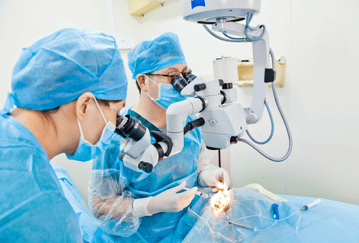
Surgery is usually the first step in treatment and may involve removing the tumor or the affected ovary.

Fertility-Preserving Surgery
In many young patients, doctors may preserve the uterus and one ovary to maintain fertility.

Chemotherapy
Chemotherapy is often used after surgery to eliminate remaining cancer cells and reduce the risk of recurrence.

Germ Cell Tumors – Frequently Asked Questions
Find answers to common questions about ovarian germ cell tumors, their symptoms, diagnosis, and advanced treatment options in Dehradun.
Germ cell tumors are rare tumors that develop from germ cells, which are the cells responsible for producing eggs in the ovaries. These tumors are most commonly found in the ovaries and often affect young women and adolescents.
Common types of ovarian germ cell tumors include dysgerminoma, immature teratoma, yolk sac tumor, embryonal carcinoma, and mixed germ cell tumors. Each type may require a different treatment approach depending on its stage.
Symptoms may include abdominal pain, pelvic discomfort, abdominal swelling, irregular menstrual cycles, nausea, and a noticeable abdominal mass. Persistent symptoms should be evaluated by a gynecologic oncologist.
Diagnosis may include pelvic examination, ultrasound, CT scan or MRI, and tumor marker blood tests such as AFP, hCG, and LDH. These tests help confirm the presence of the tumor and determine the stage of the disease.
Dr. Yamini Kansal is an AIIMS-trained Gynaecological Oncologist specializing in the treatment of ovarian germ cell tumors and other gynecologic cancers. She provides advanced laparoscopic cancer surgery and personalized treatment plans for women in Dehradun.