
Recurrent Pelvic Cancer

Recurrent Pelvic Cancer Treatment
Recurrent pelvic cancers refer to cancers that return after initial treatment in the pelvic region. These cancers may recur months or even years after successful treatment of the original cancer.
Common gynecologic cancers that may recur in the pelvis include:
Cervical cancer,
Ovarian cancer,
Endometrial (uterine) cancer,
Vaginal cancer,
Vulvar cancer,
Recurrent cancer can appear in the same location (local recurrence) or spread to nearby tissues and lymph nodes in the pelvic area.
Early diagnosis and specialized treatment by a gynecologic oncologist are essential for effective management.
Symptoms of Recurrent Pelvic Cancer
Symptoms may vary depending on the type and location of recurrence. Common symptoms include:
Persistent Pelvic Pain
Ongoing pain or discomfort in the pelvic region that does not improve.
Abnormal Vaginal Bleeding
Unexpected bleeding that may occur between periods or after menopause.
Pelvic Pressure or Discomfort
A feeling of pressure or heaviness in the pelvic area.
Unexplained Weight Loss
Losing weight unexpectedly without changes in diet or exercise.
Fatigue or Weakness
Persistent tiredness or lack of energy affecting daily activities.
Urinary or Bowel Changes
Difficulty with urination or bowel movements due to pelvic pressure.
Abdominal Swelling or Bloating
Unusual abdominal swelling caused by tumor growth or fluid buildup.
If these symptoms occur after previous cancer treatment, immediate medical evaluation is important.
Causes & Risk Factors
Cancer recurrence may occur due to several factors related to the original tumor and treatment response.
Regular follow-up care helps detect recurrence early and improves treatment outcomes.
Diagnosis of Recurrent Pelvic Cancer
Doctors may use several diagnostic tests to confirm whether pelvic cancer has returned and determine the extent of the disease.
Physical & Pelvic Examination
A clinical examination helps doctors detect abnormalities or signs of cancer recurrence in the pelvic region.
Imaging Tests
CT scans, MRI, or PET scans help identify tumor recurrence and determine how far the cancer has spread.
Blood Tests
Blood tests may check tumor markers that can indicate cancer recurrence in some patients.
Biopsy
A small tissue sample is taken and analyzed in the laboratory to confirm whether the cancer has returned.
Why Choose Specialized Treatment?
Specialized gynecologic cancer care offers several advantages and improves treatment outcomes for patients with recurrent pelvic cancer.
Expert care significantly improves treatment success and overall quality of life.
Treatment Options for Recurrent Pelvic Cancer
Treatment depends on the type of cancer, location of recurrence, and previous treatments received.
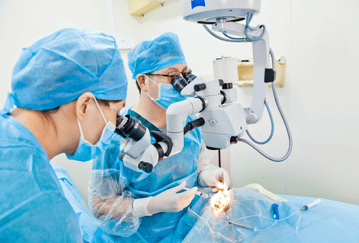
Surgery
Surgery may be performed to remove recurrent tumors or affected tissues.
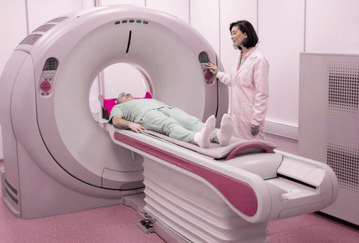
Radiation Therapy
Radiation therapy may be used if the patient did not receive radiation during the initial treatment.
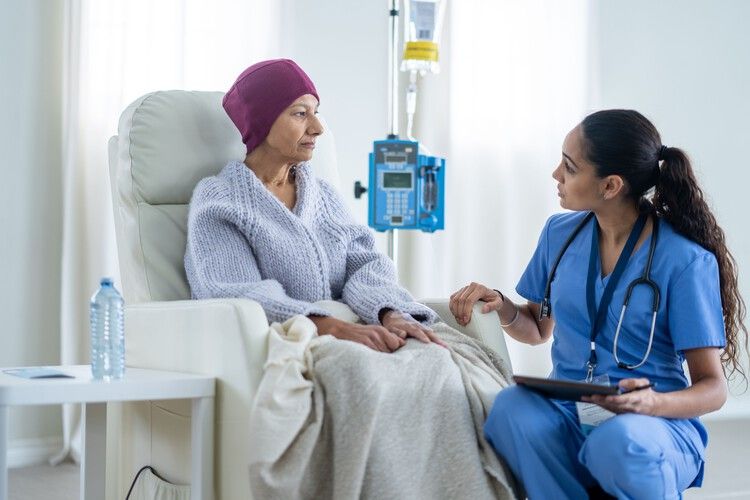
Chemotherapy
Chemotherapy drugs help destroy recurrent cancer cells and slow tumor growth.

Targeted Therapy & Immunotherapy
Advanced therapies may help improve treatment outcomes in selected patients.

Recurrent Pelvic Cancer – Frequently Asked Questions
Find answers to common questions about recurrent pelvic cancers, their symptoms, diagnosis, and advanced treatment options in Dehradun.
Recurrent pelvic cancer refers to cancer that returns after initial treatment in the pelvic region. It may occur months or even years after treatment of cancers such as cervical, ovarian, uterine, or vaginal cancer.
Symptoms may include persistent pelvic pain, abnormal vaginal bleeding, pelvic pressure, unexplained weight loss, fatigue, or difficulty with bowel or bladder functions. Any new or persistent symptoms after cancer treatment should be evaluated by a specialist.
Diagnosis usually involves pelvic examination, imaging tests such as CT scan, MRI, or PET scan, blood tests, and biopsy to confirm whether cancer has returned and determine the stage of recurrence.
Treatment options may include surgery, radiation therapy, chemotherapy, targeted therapy, or a combination of treatments depending on the type and location of recurrence and previous therapies.
Dr. Yamini Kansal is an AIIMS-trained Gynaecological Oncologist specializing in the treatment of complex and recurrent gynecologic cancers. She offers advanced surgical techniques and personalized treatment plans for patients in Dehradun.