
Ovarian Cancer
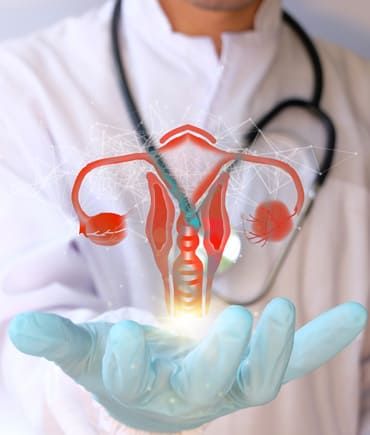
Ovarian Cancer Treatment in Dehradun by Dr. Yamini Kansal – Expert Gynaecological Oncologist
Ovarian cancer requires timely and specialized care. Dr. Yamini Kansal, an AIIMS-trained Gynaecological Oncologist and Laparoscopic Surgeon in Dehradun, provides advanced and compassionate ovarian cancer treatment in Dehradun. With years of experience in complex gynaecological cancer surgeries, she offers the latest surgical and medical treatments tailored to each patient’s condition and stage.
If you or your loved one has been diagnosed with ovarian cancer, early expert intervention can greatly improve survival rates and quality of life.
Symptoms of Ovarian Cancer
Ovarian cancer is often called a silent disease because early symptoms are mild and non-specific. However, recognizing these warning signs early can help in timely diagnosis and treatment.
Abdominal Bloating or Swelling
Persistent bloating or increase in abdominal size that does not go away.
Pelvic or Lower Abdominal Pain
Continuous discomfort or pressure in the pelvic region.
Feeling Full Quickly
Difficulty eating or feeling full even after small meals.
Frequent Urination
Urgent or frequent need to urinate more than usual.
Fatigue or Weight Loss
Unexplained tiredness or sudden weight loss without effort.
Changes in Bowel Habits
Constipation, diarrhea, or irregular bowel movements.
Back Pain or Pain During Intercourse
Persistent lower back pain or discomfort during intercourse.
Abnormal Vaginal Bleeding
Unusual bleeding patterns, especially after menopause.
If these symptoms persist for more than two weeks, it is important to consult an experienced ovarian cancer specialist for proper evaluation and early diagnosis.
Causes & Risk Factors
While the exact cause of ovarian cancer is not fully understood, several factors can increase the risk. Being aware of these risk factors helps in early detection and preventive care.
Understanding these risk factors can help doctors recommend appropriate screening, genetic counseling, and preventive strategies for better outcomes.
Diagnosis of Ovarian Cancer
Accurate and early diagnosis plays a crucial role in successful treatment. Advanced diagnostic methods help determine the stage and spread of the disease for better treatment planning.
Pelvic Examination
Initial physical examination to detect any abnormal growth or changes in reproductive organs.
Transvaginal Ultrasound
Provides detailed imaging of ovaries to identify cysts, masses, or tumors.
CA-125 Blood Test
Measures protein levels in blood that may indicate the presence of ovarian cancer.
CT Scan or MRI
Advanced imaging to assess tumor size, location, and spread in the abdomen and pelvis.
PET-CT Scan
Used in selected cases to detect cancer spread and evaluate treatment response.
Image-Guided Biopsy
A tissue sample is taken and examined to confirm the diagnosis.
Diagnostic Laparoscopy
A minimally invasive procedure to directly examine organs and determine cancer stage.
Prevention and Early Detection
Although ovarian cancer cannot always be prevented, certain measures may help reduce the risk and support early detection for better treatment outcomes.
Women with a strong family history of ovarian or breast cancer should consult a specialist about screening options and preventive strategies.
Stages of Ovarian Cancer
Ovarian cancer is divided into four main stages based on how far the disease has spread. Understanding the stage helps in planning the most effective treatment.
Stage 1
Cancer is limited to one or both ovaries.
Stage 2
Cancer has spread to the pelvic region.
Stage 3
Cancer has spread to the abdomen or nearby lymph nodes.
Stage 4
Cancer has spread to distant organs such as the liver, lungs, or outside the abdomen.
Why Choose Dr. Yamini Kansal
Choosing the right specialist is crucial for effective ovarian cancer treatment. Dr. Yamini Kansal provides advanced, patient-centered care with a strong focus on safety, precision, and long-term outcomes.
Treatment Options for Ovarian Cancer
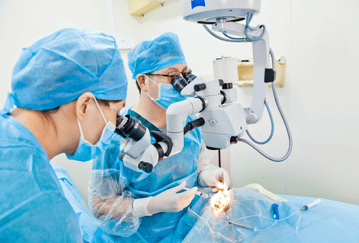
Surgery
Surgery is often the primary treatment and may involve removal of the ovaries, fallopian tubes, uterus, and other affected tissues.
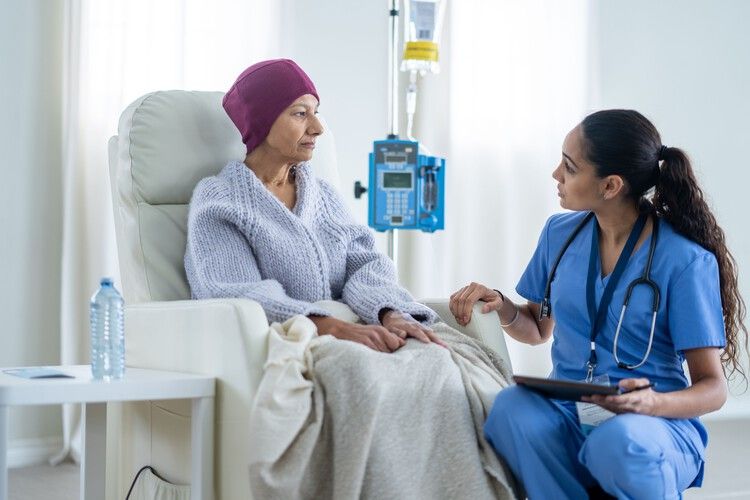
Chemotherapy
Chemotherapy uses powerful drugs to destroy cancer cells and reduce tumor growth.
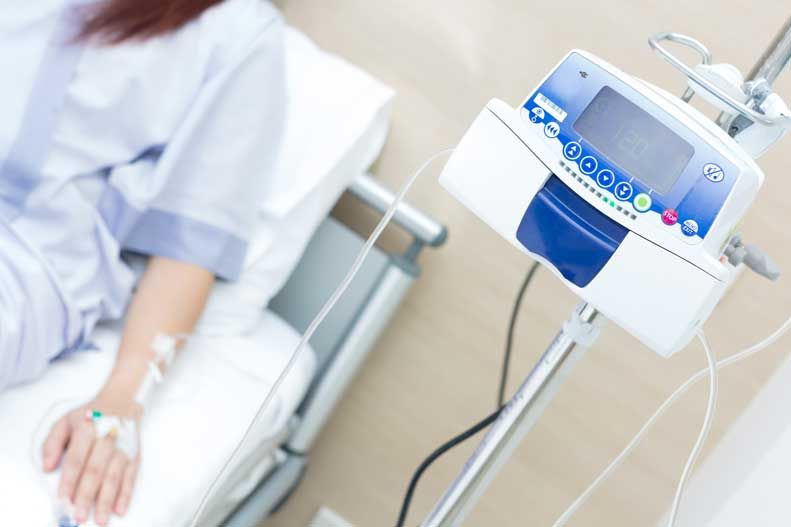
Targeted Therapy
Targeted drugs focus on specific molecules involved in cancer cell growth and help slow the progression of ovarian cancer.

Hormone Therapy
Hormonal treatments may be used in certain types of ovarian cancer to slow or block tumor growth.
Frequently Asked Questions (FAQ)
Get answers to common questions about ovarian cancer treatment, surgery, recovery, and expert care in Dehradun.
Dr. Yamini Kansal is a highly experienced AIIMS-trained Gynaecological Oncologist specializing in ovarian cancer treatment in Dehradun, offering advanced and personalized care.
Yes, early-stage ovarian cancer can often be treated successfully with minimally invasive laparoscopic surgery when performed by an expert surgeon.
The success rate depends on the stage at diagnosis. Early-stage ovarian cancer has a very good prognosis when treated promptly with the right medical approach.
In selected early-stage cases, especially in younger women, fertility-sparing surgery may be possible. Each case is carefully evaluated before making a treatment decision.
The hospital stay is usually between 5 to 10 days, depending on the type and extent of surgery and the patient’s recovery.