
Endometrial Cancer

Best Endometrial Cancer Treatment in Dehradun — Dr. Yamini Kansal, AIIMS-Trained Gynecologic Oncologist
If you or a loved one has been diagnosed with endometrial cancer — also called uterine cancer — expert, compassionate care is available in Dehradun. Dr. Yamini Kansal, an AIIMS-trained Gynaecological Oncologist and Associate Professor at SGRRIM&HS, Dehradun, specialises exclusively in treating cancers of the female reproductive system, including endometrial cancer treatment in Dehradun. With advanced laparoscopic surgery, multidisciplinary care, and personalised treatment plans, she delivers outstanding outcomes for women at every stage of the disease.
Early diagnosis is the most powerful tool against endometrial cancer. If you notice any abnormal uterine bleeding, especially after menopause, consult a specialist immediately
What Is Endometrial Cancer (Uterine Cancer)?
Endometrial cancer is a type of cancer that begins in the lining of the uterus, known as the endometrium. It is the most common gynaecological cancer in postmenopausal women, though it can occur at any age. The cancer develops when endometrial cells grow uncontrollably, forming a tumour. If left untreated, uterine cancer can spread to the ovaries, fallopian tubes, lymph nodes, and distant organs.
The good news: when detected early, endometrial cancer is highly treatable — with survival rates exceeding 90% for Stage I cases managed by an experienced gynecologic oncologist in Dehradun.
Symptoms of Endometrial Cancer
The most common and early symptom of endometrial cancer is abnormal uterine bleeding. Women in Dehradun and surrounding areas should seek immediate evaluation if they experience any of the following warning signs.
Abnormal Vaginal Bleeding
The most critical warning sign, especially bleeding after menopause.
Bleeding Between Periods
Unexpected vaginal bleeding between menstrual cycles in premenopausal women.
Heavy or Prolonged Periods
Menstrual bleeding that is heavier or lasts longer than normal cycles.
Pelvic Pain or Pressure
Persistent pain or discomfort in the lower abdomen or pelvic area.
Pain During Intercourse
Discomfort or pain during sexual activity (dyspareunia).
Unusual Vaginal Discharge
Watery, pink, or foul-smelling discharge that is not normal.
Unexplained Weight Loss
Sudden weight loss in advanced stages without any clear reason.
Women experiencing any of these symptoms should seek immediate medical attention for proper diagnosis and timely treatment.
Consult Dr. Yamini Kansal, a leading endometrial cancer specialist in Dehradun. Early consultation can be lifesaving.
Request an Urgent Appointment →Causes & Risk Factors of Endometrial Cancer
Endometrial cancer is strongly linked to hormonal imbalance, particularly prolonged exposure to oestrogen without adequate progesterone. Understanding your risk factors can help with early detection, timely screening, and preventive care.
If you have multiple risk factors, early evaluation is highly recommended.
Consider genetic cancer testing and expert consultation with Dr. Yamini Kansal, a leading gynaecological oncologist in Dehradun, for personalised risk assessment and prevention planning.
Diagnosis of Endometrial Cancer
Doctors use several tests and procedures to diagnose endometrial cancer and determine the extent of the disease.
Pelvic Examination
A physical examination to detect abnormalities in the uterus and other reproductive organs.
Transvaginal Ultrasound
This imaging test helps evaluate the thickness of the endometrial lining and detect abnormalities.
Endometrial Biopsy
A small sample of the uterine lining is taken and examined under a microscope to confirm cancer.
Hysteroscopy
A thin camera is inserted into the uterus to closely examine the endometrial lining.
CT Scan or MRI
Advanced imaging tests help determine whether cancer has spread to nearby tissues or organs.
Prevention & Early Detection of Endometrial Cancer
While endometrial cancer cannot always be prevented, certain lifestyle changes and early screening strategies can significantly reduce risk and help detect the disease at an early, more treatable stage.
Early detection saves lives — consult a specialist at the first sign of symptoms.
Dr. Yamini Kansal at SGRRIM&HS, Dehradun, provides expert care for patients from Haridwar, Rishikesh, Roorkee, Mussoorie, Pauri, Tehri, and across Uttarakhand & Himachal Pradesh.
Get Directions → Contact Now →Stages of Endometrial Cancer
Endometrial cancer is categorized into stages depending on how far the cancer has spread in the body.
Stage 1
Cancer is confined to the uterus.
Stage 2
Cancer spreads to the cervix.
Stage 3
Cancer spreads outside the uterus but remains within the pelvic area.
Stage 4
Cancer spreads to distant organs such as the bladder, bowel, or lungs.
Why Choose Dr. Yamini Kansal for Endometrial Cancer Treatment in Dehradun?
When it comes to gynecological cancer care in Dehradun, patients from Uttarakhand and neighbouring states trust Dr. Yamini Kansal for her advanced surgical expertise, academic excellence, and compassionate patient care.
Choosing the right specialist significantly improves treatment outcomes and quality of life.
Book a consultation with Dr. Yamini Kansal in Dehradun today for expert diagnosis, advanced treatment, and personalised cancer care.
Book Appointment →Treatment Options for Endometrial Cancer
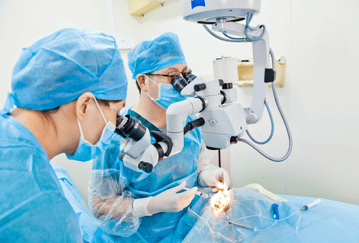
Surgery
Surgery is usually the primary treatment and may involve removal of the uterus (hysterectomy), ovaries, fallopian tubes, and nearby lymph nodes.
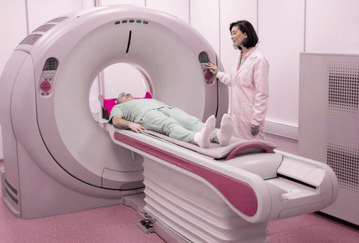
Radiation Therapy
Radiation therapy uses high-energy rays to destroy cancer cells and reduce the risk of recurrence.
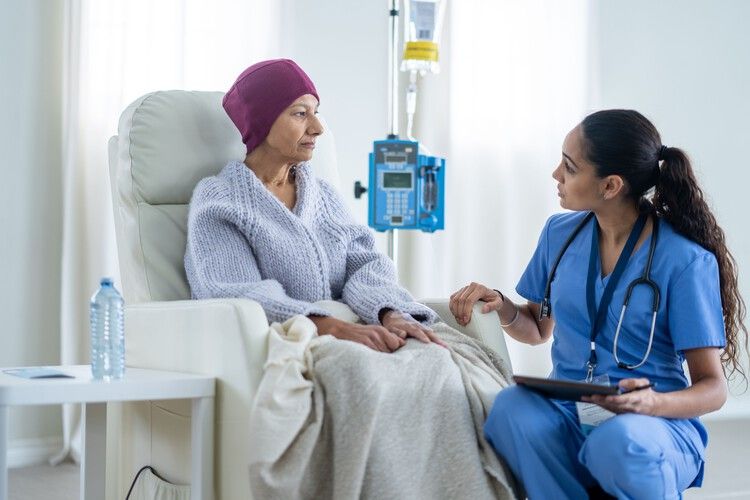
Chemotherapy
Chemotherapy drugs help kill cancer cells and prevent their spread to other parts of the body.

Hormone Therapy
Hormonal treatments may be recommended for certain types of endometrial cancer to slow or stop tumor growth.
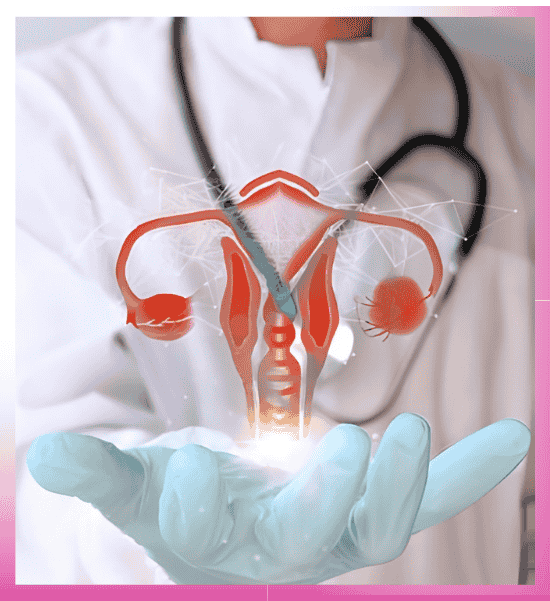
Endometrial Cancer – Frequently Asked Questions
Find answers to common questions about endometrial cancer symptoms, diagnosis, and advanced treatment options in Dehradun.
The most common early symptom of endometrial cancer is abnormal uterine bleeding, especially after menopause. Other symptoms may include bleeding between periods, pelvic pain, unusual vaginal discharge, or pain during intercourse. Women experiencing these symptoms should consult a gynecologic specialist.
Endometrial cancer is often related to hormonal imbalance, particularly high levels of estrogen without progesterone. Other risk factors include obesity, diabetes, hypertension, family history of uterine cancer, late menopause, and certain genetic conditions.
Endometrial cancer is diagnosed using tests such as transvaginal ultrasound, endometrial biopsy, and hysteroscopy. Imaging tests like CT scan or MRI may also be used to determine whether the cancer has spread beyond the uterus.
Treatment usually includes surgery such as hysterectomy to remove the uterus and surrounding tissues. Depending on the stage of cancer, radiation therapy, chemotherapy, or hormone therapy may also be recommended.
Dr. Yamini Kansal is an AIIMS-trained Gynaecological Oncologist with expertise in treating endometrial cancer and other gynecological cancers. She offers advanced laparoscopic cancer surgery and personalized treatment plans for women in Dehradun.