
Sentinel Lymph Node Mapping in Dehradun

Sentinel Lymph Node Mapping in Dehradun
Sentinel lymph node mapping is an advanced surgical technique used to identify the first lymph node (sentinel node) where cancer is most likely to spread from the primary tumor. By examining this node, doctors can determine whether cancer has spread to the lymphatic system.
This procedure is commonly used in the treatment of gynecologic cancers such as cervical cancer, endometrial cancer, and sometimes ovarian cancer. Sentinel node mapping helps provide accurate cancer staging while reducing the need for extensive lymph node removal.
Symptoms of Vulvar & Vaginal Cancer
Symptoms may vary depending on the stage of cancer. Common signs may include:
Persistent Vulvar Itching
Ongoing itching or irritation in the vulvar area that does not improve.
Lump or Growth in the Vulva
A noticeable lump, sore, or abnormal growth in the vulvar region.
Unusual Vaginal Bleeding
Abnormal vaginal bleeding, especially after menopause.
Pain During Intercourse
Discomfort or pain experienced during sexual activity.
Pelvic Pain or Discomfort
Persistent pelvic pain or pressure in the lower abdomen.
Changes in Vulvar Skin
Changes in skin color, thickness, or texture in the vulvar area.
Unusual Vaginal Discharge
Persistent or abnormal vaginal discharge.
If these symptoms persist, medical evaluation is important for early diagnosis and treatment.
Causes & Risk Factors
Several factors may increase the risk of developing vulvar and vaginal cancers.
HPV vaccination and regular gynecological checkups may help reduce the risk of vulvar and vaginal cancers.
Diagnosis of Vulvar & Vaginal Cancer
Doctors may recommend several diagnostic tests to detect vulvar and vaginal cancer and determine how far the disease has progressed.
Pelvic Examination
A physical examination to detect abnormal growths, lesions, or changes in the vulva and vaginal area.
Colposcopy
A detailed examination of the vulva and vagina using a special magnifying instrument to identify abnormal tissues.
Biopsy
A small tissue sample is removed and examined in a laboratory to confirm the presence of cancer cells.
Imaging Tests
CT scan, MRI, or PET scan may be used to determine the extent of cancer and whether it has spread to nearby tissues.
Why Choose Specialized Cancer Treatment?
Specialized gynecologic cancer care offers several benefits that improve treatment outcomes and ensure better patient support throughout the treatment journey.
Early detection and expert treatment significantly improve survival rates and enhance overall quality of life.
Treatment Options for Vulvar & Vaginal Cancer
Treatment depends on the stage of cancer, tumor location, and the overall health of the patient.
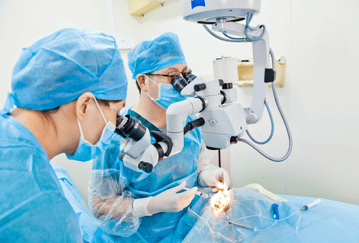
Surgery
Surgery is often the main treatment. It may involve removing the cancerous tissue, part of the vulva or vagina, and sometimes nearby lymph nodes.
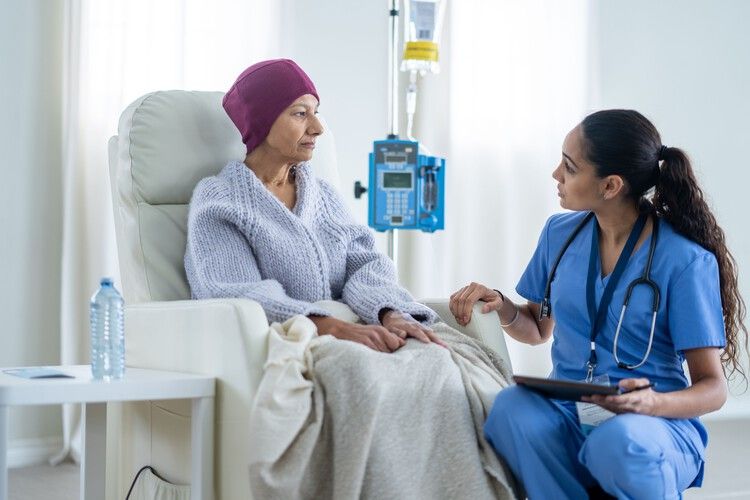
Radiation Therapy
Radiation therapy uses high-energy rays to destroy cancer cells and may be used before or after surgery to reduce tumor size.
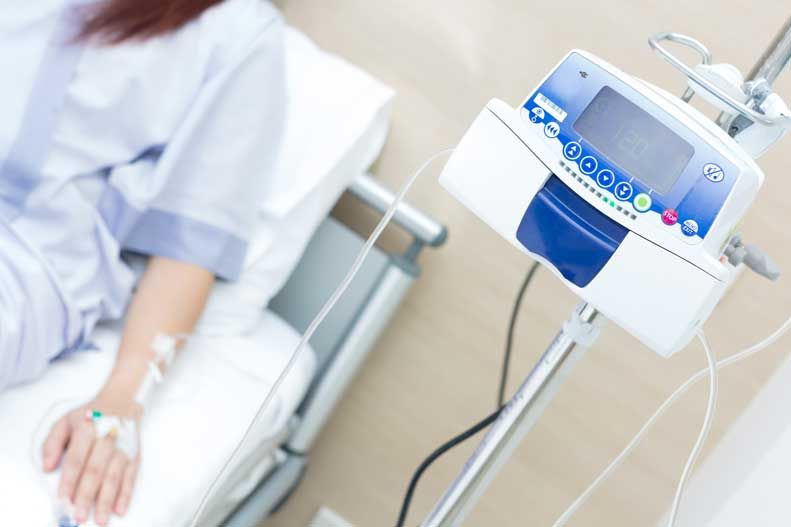
Chemotherapy
Chemotherapy uses anti-cancer drugs to destroy cancer cells or stop their growth. It is often combined with radiation therapy for better results.

Vulvar & Vaginal Cancer – Frequently Asked Questions
Find answers to common questions about vulvar and vaginal cancer symptoms, diagnosis, and advanced treatment options in Dehradun.
Vulvar cancer is a rare type of gynecologic cancer that develops in the vulva, the outer part of the female genital organs. It may appear as a lump, sore, or skin change in the vulvar area and is more common in older women.
Vaginal cancer occurs in the tissues of the vagina, the muscular tube that connects the uterus to the outside of the body. It is a rare cancer and may sometimes develop from abnormal cells associated with HPV infection.
Common symptoms may include persistent itching in the vulvar area, unusual vaginal bleeding, pain during intercourse, pelvic discomfort, lumps or skin changes in the genital area, and abnormal vaginal discharge.
Diagnosis may involve pelvic examination, colposcopy, biopsy of abnormal tissue, and imaging tests such as CT scan or MRI to determine the stage and spread of the cancer.
Dr. Yamini Kansal is an AIIMS-trained Gynaecological Oncologist specializing in the diagnosis and treatment of vulvar cancer, vaginal cancer, and other gynecologic cancers. She offers advanced laparoscopic cancer surgery and personalized treatment plans for women in Dehradun.