
Cervical Cancer
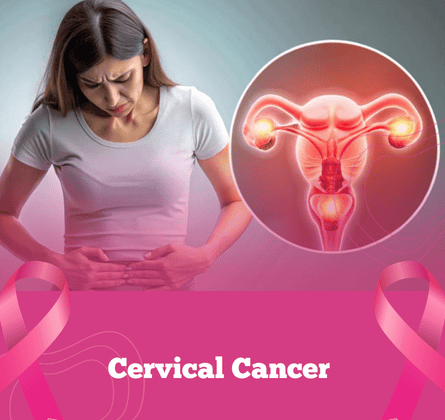
Cervical Cancer Treatment | Advanced Care by Dr. Yamini Kansal
Cervical cancer is a type of cancer that develops in the cells of the cervix, which is the lower part of the uterus connecting to the vagina. It occurs when abnormal cells in the cervix grow uncontrollably and form a tumor. Cervical cancer is one of the most common cancers affecting women worldwide, but with early detection and proper treatment, it can often be successfully treated.
Most cases of cervical cancer are linked to Human Papillomavirus (HPV) infection, a common virus transmitted through sexual contact. Regular screening tests such as Pap smear tests and HPV tests play a crucial role in detecting early changes in cervical cells before they turn into cancer.
Symptoms of Cervical Cancer
In the early stages, cervical cancer may not cause noticeable symptoms. However, as the disease progresses, the following symptoms may appear:
Abnormal Vaginal Bleeding
Bleeding between periods or after menopause.
Bleeding After Intercourse
Unusual bleeding occurring after sexual intercourse.
Unusual Vaginal Discharge
Persistent discharge that may have a foul smell.
Pelvic Pain or Discomfort
Continuous pain or discomfort in the pelvic area.
Pain During Intercourse
Discomfort or pain experienced during sexual activity.
Unexplained Weight Loss & Fatigue
Sudden weight loss and constant tiredness without clear reason.
Lower Back or Leg Pain
Pain in the lower back or legs in advanced stages.
Causes & Risk Factors
Several factors can increase the risk of developing cervical cancer. Understanding these causes helps in early prevention and timely medical care.
Regular medical checkups and HPV vaccination can significantly reduce the risk of cervical cancer.
Diagnosis and Screening
Early detection of cervical cancer is possible through routine screening tests. Doctors may recommend the following diagnostic procedures:
Pap Smear Test
A Pap smear test checks for abnormal or precancerous cells in the cervix.
HPV Test
This test identifies high-risk HPV strains that can lead to cervical cancer.
Colposcopy
A specialized procedure where the cervix is examined using a magnifying instrument.
Cervical Biopsy
A small sample of cervical tissue is taken and examined in a laboratory to confirm cancer.
Prevention of Cervical Cancer
Cervical cancer is one of the few cancers that can be prevented through proper screening, vaccination, and healthy lifestyle practices. Early prevention significantly reduces the risk.
Regular gynecological checkups help in early detection and prevention of cervical cancer, improving long-term health outcomes.
Stages of Cervical Cancer
Cervical cancer is classified into stages depending on how far the cancer has spread.
Stage 1
Cancer is limited to the cervix
Stage 2
Cancer spreads beyond the cervix but not to the pelvic wall
Stage 3
Cancer spreads to the pelvic wall or lower vagina
Stage 4
Cancer spreads to nearby organs or distant parts of the body
Why Choose Specialized Cervical Cancer Treatment?
Choosing the right cancer specialist can significantly impact treatment outcomes and recovery.
Early detection and expert treatment greatly improve survival rates and quality of life.
Treatment Options for Cervical Cancer
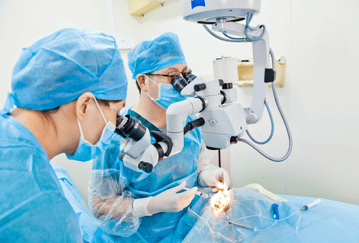
Surgery
Surgical treatment may involve removing the tumor, cervix, uterus, or surrounding tissues depending on the stage of cancer.
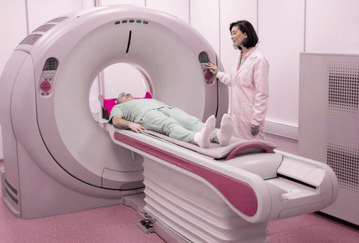
Radiation Therapy
Radiation therapy uses high-energy rays to destroy cancer cells and is often combined with chemotherapy for effective treatment.

Chemotherapy
Chemotherapy uses powerful drugs to kill cancer cells or stop their growth, often used with other treatments.

Targeted Therapy & Immunotherapy
Advanced treatments that help the immune system identify and attack cancer cells more effectively.

Cervical Cancer – Frequently Asked Questions
Find answers to common questions about cervical cancer symptoms, diagnosis, and advanced treatment options in Dehradun.
Early cervical cancer may not show noticeable symptoms. However, common warning signs include abnormal vaginal bleeding, bleeding after intercourse, unusual vaginal discharge, pelvic pain, and pain during intercourse. Regular screening helps detect cervical cancer at an early stage.
The primary cause of cervical cancer is persistent infection with high-risk types of the Human Papillomavirus (HPV). Other risk factors include smoking, multiple sexual partners, weak immunity, and lack of regular Pap smear screening.
Cervical cancer is diagnosed through screening tests such as Pap smear and HPV testing. If abnormal cells are detected, further procedures like colposcopy, biopsy, MRI, or CT scans may be recommended to confirm the diagnosis and determine the stage of cancer.
Treatment for cervical cancer depends on the stage of the disease. Common treatments include surgery, radiation therapy, chemotherapy, and targeted therapy. Early-stage cervical cancer can often be treated successfully with advanced surgical procedures.
Dr. Yamini Kansal is an experienced AIIMS-trained Gynaecological Oncologist specializing in the diagnosis and treatment of cervical cancer and other gynecological cancers. She provides advanced laparoscopic cancer surgery and personalized cancer treatment plans for women.