
Radical Hysterectomy
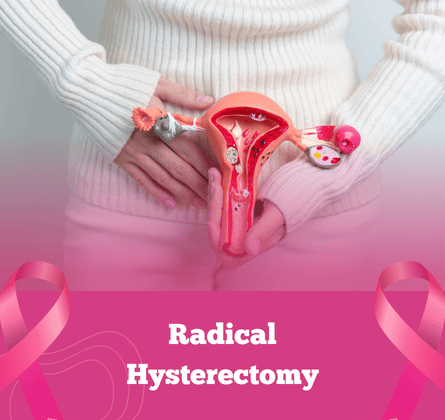
Radical Hysterectomy Surgery
Radical hysterectomy is a specialized surgical procedure used to treat certain gynecologic cancers, particularly cervical cancer. During this surgery, the uterus, cervix, surrounding tissues (parametrium), and the upper part of the vagina are removed. In many cases, nearby lymph nodes are also removed to check for the spread of cancer.
This procedure is usually recommended for early-stage cervical cancer and may help completely remove the cancer while preventing it from spreading further.
Radical hysterectomy is a complex procedure that should be performed by an experienced gynecologic oncologist to ensure the best possible outcomes.
When is Radical Hysterectomy Recommended?
Doctors may recommend radical hysterectomy in certain conditions where surgical removal of the uterus and surrounding tissues is considered the most effective treatment.
Early-Stage Cervical Cancer
Radical hysterectomy is commonly recommended when cervical cancer is detected in its early stages.
Uterine or Endometrial Cancer
In some cases, surgery may be advised to remove cancer affecting the uterus or endometrial lining.
Cancer Limited to the Pelvic Region
This surgery may be recommended when cancer has not spread beyond the pelvic area.
When Surgery is the Best Treatment Option
Doctors may recommend radical hysterectomy when surgery offers the best chance for successful treatment.
The exact treatment plan depends on the stage of cancer and the overall health of the patient.
Recovery After Radical Hysterectomy
Recovery time after radical hysterectomy may vary depending on the surgical technique used and the overall health of the patient.
Doctors provide detailed post-operative care instructions to ensure safe recovery and prevent complications.
What Happens During the Procedure?
Radical hysterectomy is a surgical procedure performed to remove cancer-affected reproductive organs and surrounding tissues.
General Anesthesia
The patient is given general anesthesia to ensure comfort and prevent pain during surgery.
Removal of Uterus and Cervix
The surgeon removes the uterus and cervix to eliminate cancerous tissues.
Removal of Surrounding Tissues
Nearby tissues and part of the vagina may be removed to prevent cancer spread.
Lymph Node Removal
Nearby lymph nodes may be removed and examined to check if cancer has spread.
Surgical Closure
The surgical site is carefully closed after the procedure is completed.
Why Choose Specialized Surgical Care?
Choosing an experienced gynecologic oncologist offers several advantages and helps ensure safe and effective cancer treatment.
Expert surgical care significantly improves treatment outcomes and patient safety.
Types of Radical Hysterectomy Surgery
Radical hysterectomy can be performed using different surgical techniques depending on the patient’s condition and the stage of cancer.
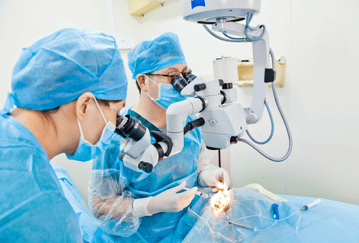
Open Surgery
Traditional surgery involving an abdominal incision to remove the uterus and surrounding tissues.
Laparoscopic Radical Hysterectomy
A minimally invasive procedure performed using small incisions and specialized surgical instruments.
Robotic-Assisted Surgery
Advanced robotic technology enables surgeons to perform highly precise and minimally invasive procedures.
Benefits of Radical Hysterectomy
Radical hysterectomy offers several important benefits for patients diagnosed with certain gynecologic cancers, especially when detected in the early stages.
Early treatment significantly improves the chances of successful recovery and long-term health.

Radical Hysterectomy – Frequently Asked Questions
Find answers to common questions about radical hysterectomy surgery, its purpose, recovery, and advanced treatment options in Dehradun.
Radical hysterectomy is a surgical procedure used to treat gynecologic cancers, especially cervical cancer. During this surgery, the uterus, cervix, surrounding tissues, and part of the vagina are removed to eliminate cancer and prevent its spread.
Radical hysterectomy is usually recommended for early-stage cervical cancer or certain gynecologic cancers where surgery can effectively remove the tumor before it spreads to other organs.
Recovery time varies depending on the surgical technique used. Most patients stay in the hospital for a few days and may return to normal activities within 4–6 weeks. Minimally invasive surgery may allow faster recovery.
As with any major surgery, there may be risks such as infection, bleeding, or complications related to anesthesia. However, these risks are minimized when the procedure is performed by an experienced gynecologic oncologist.
Dr. Yamini Kansal is an AIIMS-trained Gynaecological Oncologist specializing in advanced gynecologic cancer surgeries including radical hysterectomy. She provides expert surgical care and personalized treatment plans for women in Dehradun.