
Fallopian Tube & Peritoneal
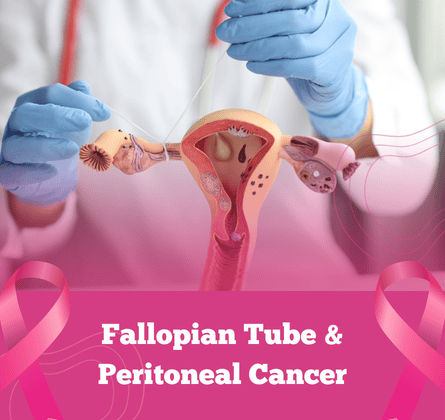
Fallopian Tube & Peritoneal Cancer Treatment
Fallopian tube cancer is a rare type of gynecologic cancer that begins in the fallopian tubes, which connect the ovaries to the uterus. These tubes play an important role in transporting eggs from the ovaries to the uterus.
Primary peritoneal cancer is a rare cancer that develops in the peritoneum, the thin layer of tissue lining the abdomen and covering many abdominal organs.
This cancer behaves similarly to ovarian cancer because the cells of the peritoneum share similar characteristics with ovarian cells. As a result, both cancers are often treated using similar surgical and chemotherapy approaches.
Symptoms of Fallopian Tube & Peritoneal Cancer
Symptoms may vary depending on the stage of the disease, but common signs may include:
Persistent Abdominal or Pelvic Pain
Ongoing discomfort or pain in the lower abdomen or pelvic region.
Abdominal Bloating or Swelling
Persistent bloating or swelling in the abdominal area.
Unusual Vaginal Discharge or Bleeding
Unexpected vaginal discharge or abnormal bleeding.
Feeling Full Quickly
Loss of appetite or feeling full quickly while eating.
Frequent Urination
Increased need to urinate more often than usual.
Fatigue and Weakness
Persistent tiredness and lack of energy.
Unexplained Weight Loss
Sudden and unexplained weight loss in advanced stages.
Because these symptoms may resemble other conditions, persistent or worsening symptoms should be evaluated by a specialist.
Causes & Risk Factors
Several factors may increase the risk of developing fallopian tube or primary peritoneal cancer.
Women with a strong family history may benefit from genetic counseling and regular medical screening.
Diagnosis of Fallopian Tube & Peritoneal Cancer
Doctors may use several tests and procedures to diagnose fallopian tube and primary peritoneal cancer and determine the stage of the disease.
Pelvic Examination
A physical examination to detect abnormalities in the reproductive organs.
Ultrasound
An imaging test used to visualize tumors or abnormal masses in the pelvic region.
CT Scan or MRI
Advanced imaging helps determine the size and spread of cancer in nearby tissues or organs.
Blood Test (CA-125)
This blood test measures tumor markers that may be elevated in certain gynecologic cancers.
Biopsy
A tissue sample is analyzed in a laboratory to confirm the presence of cancer.
Why Choose Specialized Cancer Treatment?
Choosing specialized gynecologic cancer care offers several advantages and helps improve treatment success and patient recovery.
Early diagnosis and specialized treatment significantly improve patient outcomes and quality of life.
Treatment Options
Treatment depends on the stage of cancer, patient health, and tumor characteristics.
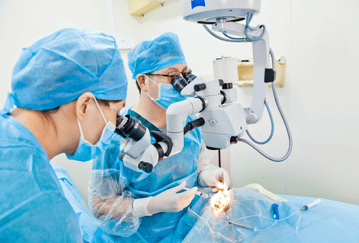
Surgery
Surgery is often the primary treatment and may involve removal of the fallopian tubes, ovaries, uterus, and affected tissues.
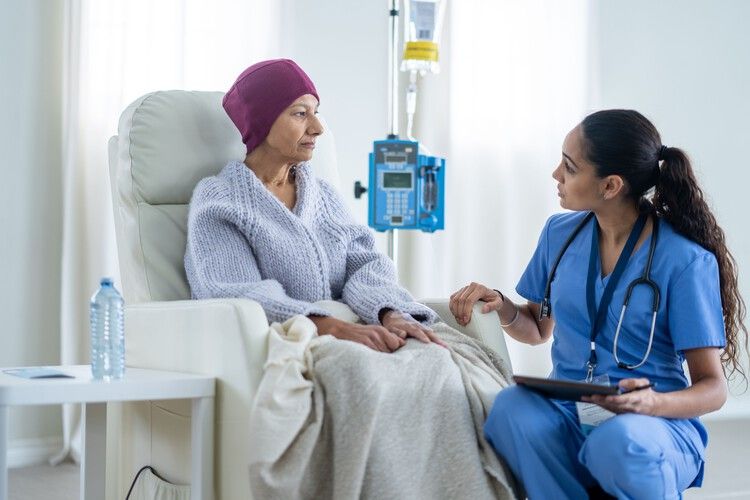
Chemotherapy
Chemotherapy drugs help destroy cancer cells and reduce tumor growth.
Targeted Therapy
Targeted treatments focus on specific cancer cell mechanisms and may improve treatment effectiveness.

Fallopian Tube & Peritoneal Cancer – Frequently Asked Questions
Find answers to common questions about fallopian tube cancer and primary peritoneal cancer symptoms, diagnosis, and advanced treatment options in Dehradun.
Fallopian tube cancer is a rare type of gynecologic cancer that develops in the fallopian tubes, which connect the ovaries to the uterus. It is often similar to ovarian cancer and may present with comparable symptoms and treatment approaches.
Primary peritoneal cancer develops in the peritoneum, the thin layer of tissue that lines the abdomen and covers abdominal organs. Although it occurs outside the ovaries, it behaves very similarly to ovarian cancer and is treated using similar medical approaches.
Common symptoms may include abdominal bloating, pelvic pain, unusual vaginal bleeding or discharge, difficulty eating, frequent urination, and unexplained weight loss. Persistent symptoms should be evaluated by a gynecologic oncologist.
Diagnosis may involve pelvic examination, ultrasound, CT scan or MRI, blood tests such as CA-125, and biopsy. These tests help confirm the presence of cancer and determine the stage of the disease.
Dr. Yamini Kansal is an AIIMS-trained Gynaecological Oncologist specializing in the treatment of complex gynecologic cancers including fallopian tube cancer, ovarian cancer, and primary peritoneal cancer. She provides advanced laparoscopic cancer surgery and personalized treatment plans for women in Dehradun.