
Palliative Care for Gynaecological Cancer in Dehradun
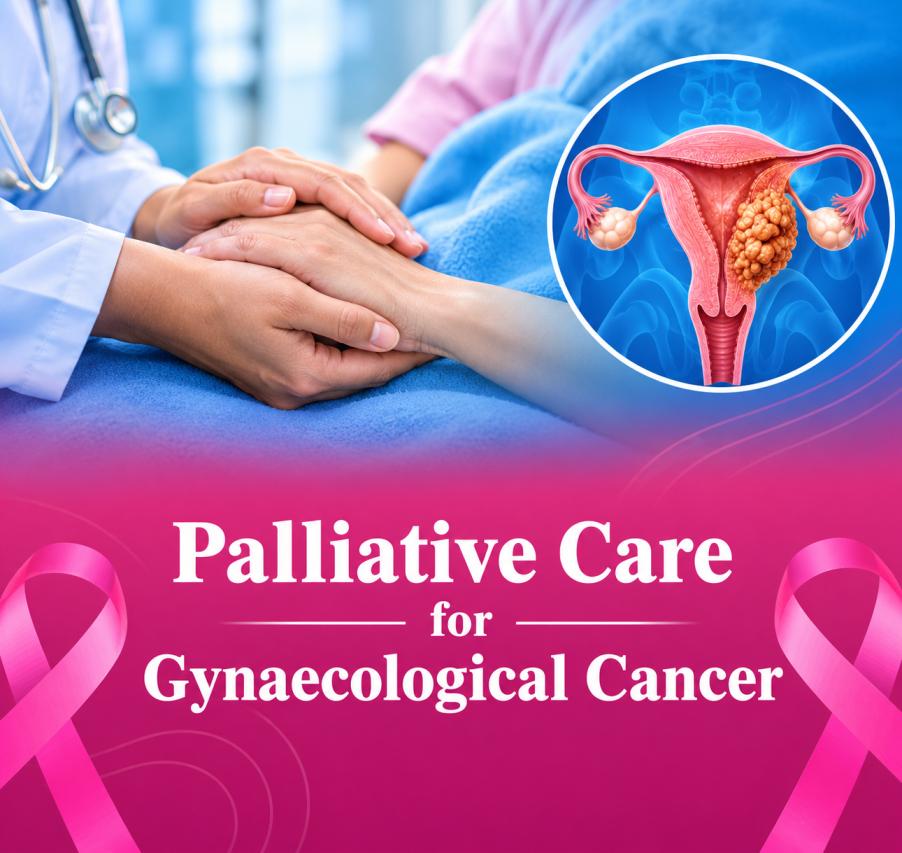
Palliative care eases pain, nausea, fluid build-up and the emotional strain of living with gynaecological cancer, and it supports your family too. It can begin alongside your cancer treatment; you do not have to wait until other options have run out. Dr. Yamini Kansal, a gynaecological oncosurgeon in Dehradun, can help you plan care that keeps you as comfortable as possible.
What Is Palliative Care for Gynaecological Cancer?
Palliative care is an approach that improves the quality of life of people facing a serious illness, and of their families, by preventing and relieving suffering. For women with gynaecological cancer, that means treating pain and other physical symptoms, and also paying attention to emotional, family and spiritual concerns.
Who Can Benefit from Palliative Care?
Any woman whose cancer or its treatment is affecting how she lives day to day can benefit. You do not need to have an advanced diagnosis to ask. Palliative care is commonly considered for women who:
What to Expect at Your First Consultation
The first visit is mainly a conversation. You can bring a family member, and nothing is decided without your agreement.
Listening to Your Story
Dr. Kansal listens to your story, your main worries and what has been most difficult.
Reviewing Medical Records
She reviews your reports, scans and the treatment you have had so far.
Symptom Assessment
She asks about pain, appetite, bowels, bladder, breathing, sleep and mood, and examines you where needed.
Understanding Your Priorities
You talk about what matters most to you, such as being at home, being free of pain or having more good days with family.
Agreeing on a Care Plan
Together you agree a plan: which symptoms to treat first, what medicines or procedures may help, who to contact if things change, and when to review.

Frequently Asked Questions
No. Palliative care can be given at any stage of a serious illness, including soon after diagnosis and alongside active treatment. Hospice care is one form of palliative care that focuses on comfort when cancer treatment is no longer being pursued. Many women receive palliative care for a long time before they need anything like hospice.
No. Palliative care works alongside surgery, chemotherapy, targeted therapy and radiotherapy. Its aim is to relieve symptoms and side effects so that you can cope better with treatment. If you later decide to stop active treatment, palliative care continues.
Research has not found that palliative care shortens life. Studies of palliative care started early, alongside cancer treatment, have linked it to better quality of life. The aim is always to help you live as well and as comfortably as possible.
Yes. Family members and caregivers are welcome. They often notice changes in pain, appetite and sleep that you may not mention, and they usually have their own questions about what to expect and how to help.